
Author Liesel K. Hill's Musings on Fantasia...
Monday, February 24, 2014
The Vast Treasure Trove of Ideas for Your Writing that You're Probably Overlooking
 |
| Source |
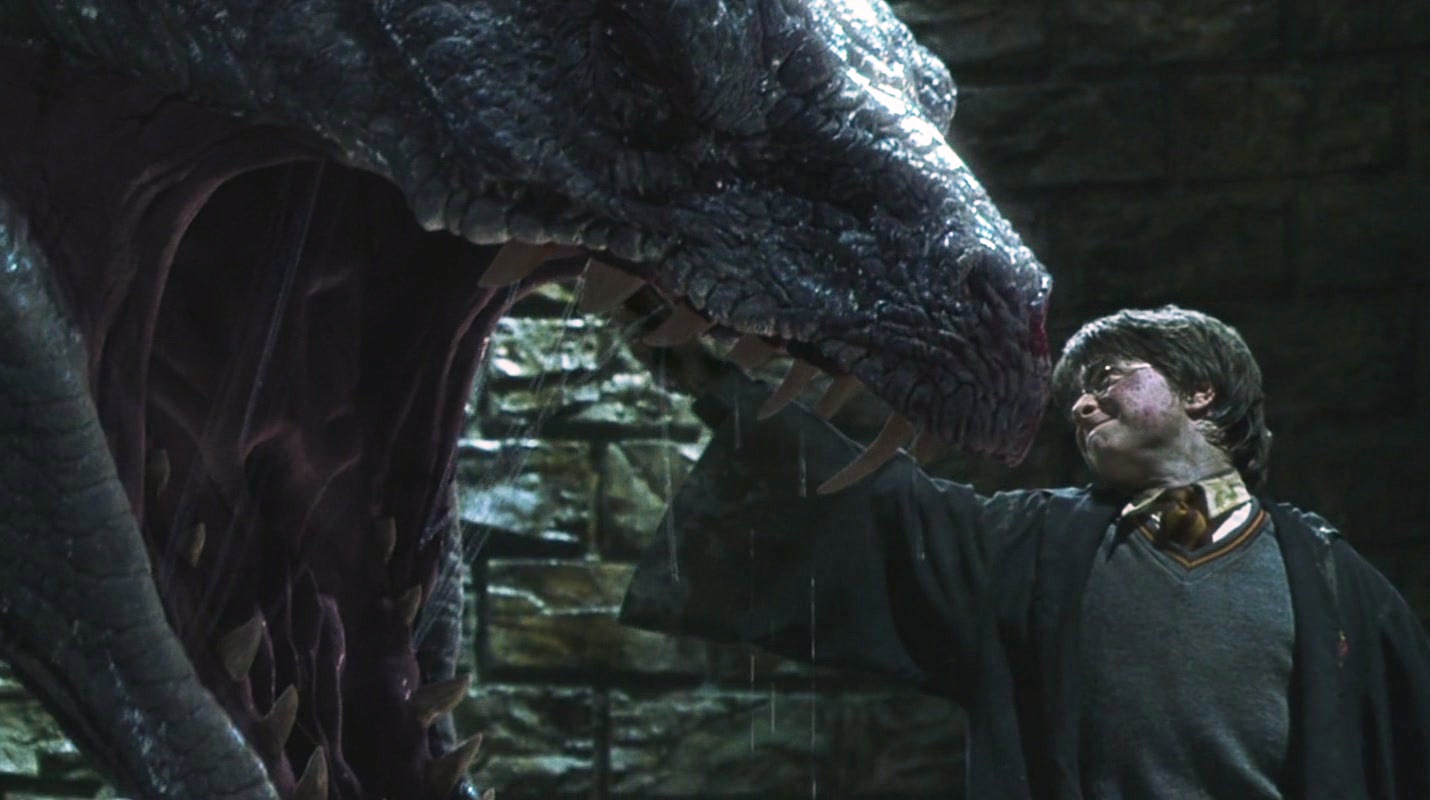
But none of this is original. J.K. Rowling didn't make this up. It's been around for centuries. And yet Rowling is such a successful writer, she's said to be richer than the Queen of England.
It serves to conclude, then, that perhaps folklore plays as big a part in our culture and literature today as it did in times of yore, from whence that folklore originated.
Folklore has many definitions, but most often is was comprised of the cultural teachings of any given people, preserved orally until someone actually writes it down.
 |
| Source |
1) Showed what a society valued (i.e. honesty, true love, etc.) OR
2) Warned against something they feared (think Little Red Riding Hood and the Big Bad Wolf).
One way or another, they were always meant to teach. These same stories inundate our culture today, whether we realize it or not. In truth, it's almost possible to write fiction without pulling in some kind of folklore.
So, how can we make (conscious) use of folk stories in our writing?
Oh, let me count the ways! Drawing on well-known stories can be a powerful tool in your writing. As readers either consciously recognize a well-known story, or else unconsciously tune into the cadence of popular folklore, they'll expect to see certain events happen or expectations fulfilled. This will excite them and keep them turning pages.
In addition, most writers put their own spin on the legends, exploring aspects that haven't been heavily explored before, or putting a fresh twist on an old story. These are what we often refer to as fairy tale re-tellings, and they're some of the most popular books on the market today.
Things to consider when incorporating more folklore into your writing:
 |
| Source |
2) Bring something new to the table. Most people don't like to ready identical play-by-play re-tellings of what they already know. Put a twist on it, change the culture, time period, or locale. Check out Marissa Meyer's Lunar Chronicles series!
3) Re-read old folklore texts to get the creative juices flowing, and keep in mind that there are hundreds more stories than just the ones Walt Disney made famous. Check out this link for digital "folk texts" :
Folklore and Mythology Electronic Texts: http://www.pitt.edu/~dash/folktexts.html
 |
| Source |
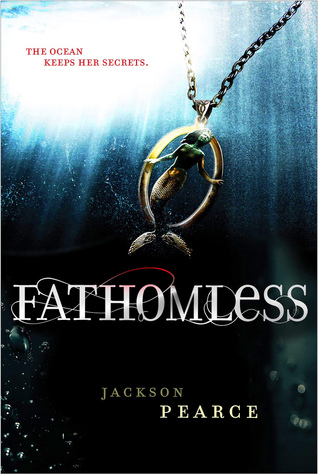
I've already mentioned a few folklore-infused stories. Another of my favorite authors is Jackson Pearce. That woman knows how to write a climax, and I love the way she handles her fairy tale re-tellings.
What are some of your favorite examples of folklore in writing?

Subscribe to:
Post Comments
(
Atom
)
Smart tip to make sure the copyright has expired.
ReplyDeleteThere is always a way to put a fresh spin on a new tale.